

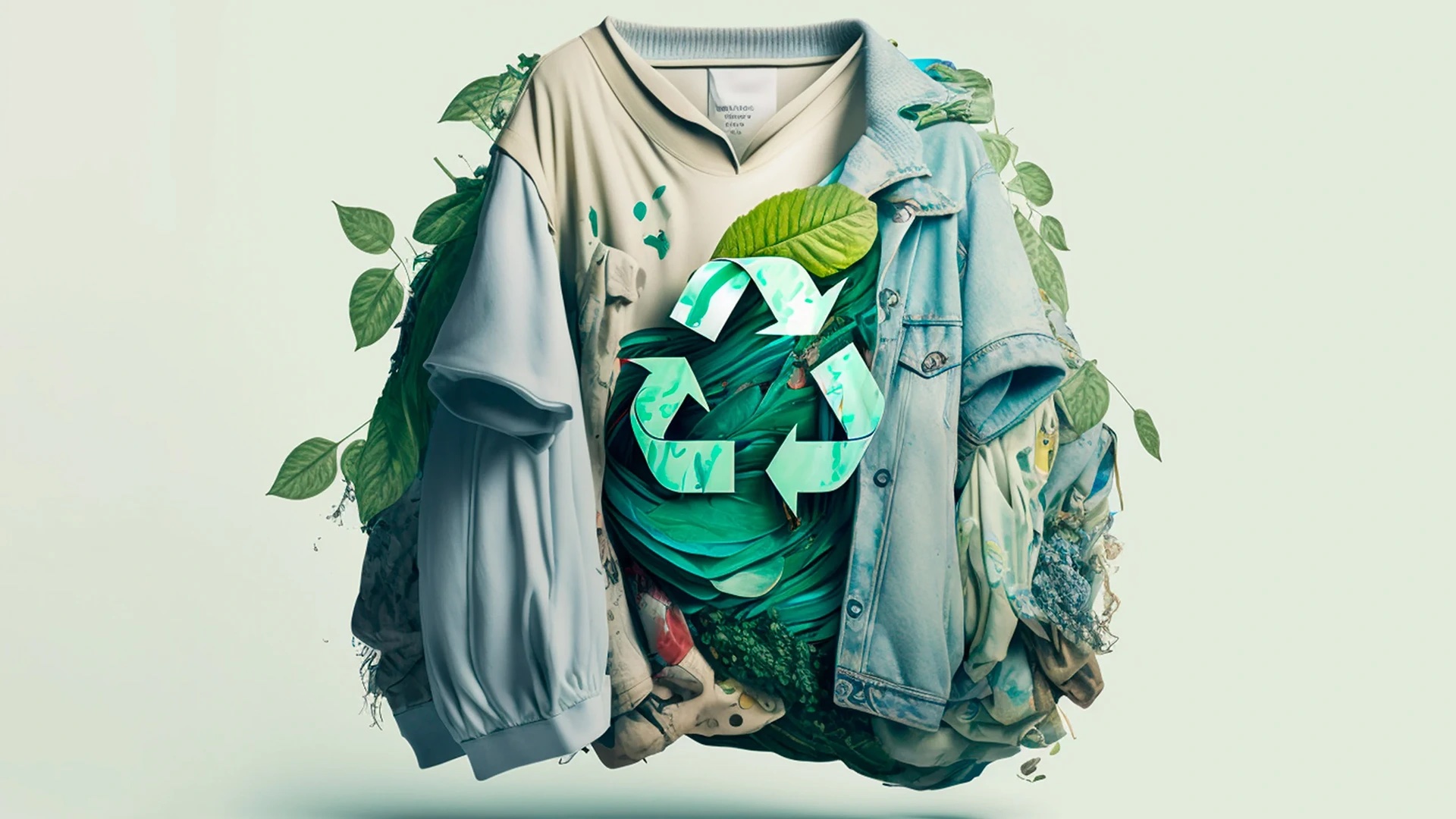
The fashion industry is evolving beyond aesthetics, embracing sustainability, ethical production, and technological innovation. Consumers are increasingly aware of environmental impact, social responsibility, and transparency in clothing and accessories. Understanding modern fashion requires exploring technology, cultural influence, economic transformation, and ethical considerations shaping the global style landscape.
Technology and Global Influence
Technology drives innovation in fashion through sustainable materials, 3D printing, and AI-powered design tools. Digital platforms enable virtual try-ons, e-commerce expansion, and global trend analysis, connecting consumers and designers worldwide. These innovations increase accessibility while promoting responsible consumption patterns.
Global influence extends to cultural exchange, with fashion trends circulating rapidly through social media and digital marketing. Technology allows designers to reach international audiences, shaping perceptions of style, sustainability, and creative expression across borders.
Politics and Digital Power
Government policies and regulations influence ethical practices, labor standards, and environmental compliance in fashion production. Incentives for sustainable materials, trade regulations, and import-export policies impact industry practices, guiding designers and brands toward responsible production.
Digital platforms further amplify the intersection of politics and fashion. Social media advocacy, online campaigns, and transparency initiatives hold brands accountable, influencing consumer behavior and encouraging ethical and environmentally conscious decisions in the industry.
Public Figures and Narrative Shaping
Fashion icons, designers, and influencers shape public perception by promoting sustainable choices and ethical practices. Through social media, fashion shows, and media coverage, they highlight eco-friendly collections, responsible sourcing, and creative innovation.
These narratives guide consumer preferences, encourage mindful purchasing, and elevate awareness of sustainability challenges. Public figures play a critical role in balancing style, innovation, and responsibility within global fashion culture.
Innovation and Economic Transformation
Sustainable fashion fosters economic transformation by creating new markets for eco-friendly materials, ethical production, and technology-driven design solutions. Startups and established brands integrating sustainability attract investment, create jobs, and stimulate global trade.
Innovation extends to supply chain management, production efficiency, and circular fashion initiatives. By aligning economic growth with ethical practices, sustainable fashion demonstrates how industry innovation can achieve both profitability and social responsibility.
Ethics, Media, and Global Change
Ethical considerations in fashion include labor rights, environmental impact, and transparency in sourcing. Media coverage highlights responsible practices, educates consumers, and fosters accountability, ensuring that brands adhere to ethical and sustainable standards.
Global change in fashion is driven by informed consumers, ethical production, and technological innovation. By prioritizing sustainability and responsibility, the industry can reduce its environmental footprint, support communities, and inspire a global shift toward conscious style.
FAQs
How is technology shaping sustainable fashion?
Technology enables sustainable materials, AI-driven designs, 3D printing, and virtual platforms for e-commerce and trend analysis, increasing accessibility and promoting responsible consumption.
What role do public figures play in fashion trends?
Designers, influencers, and fashion icons promote eco-friendly choices, ethical practices, and innovative collections, shaping consumer preferences and cultural perceptions of style.
How does sustainable fashion impact the economy?
It generates new markets, attracts investment, creates jobs, and fosters innovation, demonstrating how ethical practices can coexist with profitable business models.
Why are ethics important in fashion?
Ethics ensure fair labor practices, environmental sustainability, and transparency in production, fostering public trust and responsible industry growth.
How do politics and policy influence fashion?
Government regulations, incentives, and trade policies guide ethical production, sustainability compliance, and global market practices, shaping industry standards and consumer expectations.
Conclusion
Sustainable fashion exemplifies the fusion of style, innovation, and responsibility. By integrating technology, ethics, and global influence, the industry is redefining the way consumers engage with fashion and making sustainability a central part of cultural identity.
Looking ahead, continued innovation, public awareness, and regulatory support will be essential for a responsible fashion future. Mindful production and consumption practices can ensure that fashion remains both stylish and socially responsible in the years to come.
